Large language models and chat assistants

Interactive LLM products usually combine inference servers, request routing, caching, retrieval systems, logging, and safety layers. Linux-based server environments are common because accelerator drivers, container images, and orchestration tools are mature there.

  • Typical compute: GPU or specialized accelerator inference fleets.
  • Supporting systems: vector search, queues, observability, policy filters.
Image, video, and audio generation

Media generation often behaves less like live chat and more like a controlled job system. Scheduling, asset storage, retry logic, moderation, and GPU utilization become central stack questions.

  • Typical environment: containerized Linux workers and object storage.
  • Pressure point: throughput per dollar during demand spikes.

Recommendation and ranking AI

Consumer feeds, search ranking, and personalization are tied closely to product data. The visible model is only one piece; feature pipelines, streaming systems, experiment platforms, and low-latency serving matter just as much.

  • Typical environment: mixed CPU/GPU services across cloud or private clusters.
  • Pressure point: freshness, scale, and safe rollout of model changes.

Enterprise copilots and private deployments

Enterprise AI tends to be shaped by identity, permissions, retention policies, region choice, and auditability. The stack may use managed APIs, private cloud, on-premise servers, or a hybrid pattern.

  • Typical environment: cloud VPCs, private endpoints, containers, access controls.
  • Pressure point: privacy and governance before raw benchmark scores.

Open-source model hosting

Self-managed inference can be a single workstation, a rented GPU instance, a Kubernetes deployment, or a bare-metal cluster. It gives teams more control, but also shifts responsibility for drivers, security updates, monitoring, and capacity planning.

  • Typical environment: Linux, CUDA or accelerator runtimes, containers.
  • Pressure point: operational discipline, not just model download size.
Publicly known

Vendor engineering posts, documentation, conference talks, open-source repositories, and cloud architecture notes can confirm parts of a stack.

Common practice

When exact details are private, we describe patterns widely used for similar workloads: Linux servers, containers, GPU fleets, queues, and monitoring.

Not asserted

We avoid naming a company’s exact internal operating system, server model, or cluster design unless the source is public and current.

B / Hardware

The platform category hints at the hardware shape.

A high-volume assistant, a batch media generator, and a private document copilot can all use modern accelerators, but they stress queues, memory, storage, network, and governance in different ways.

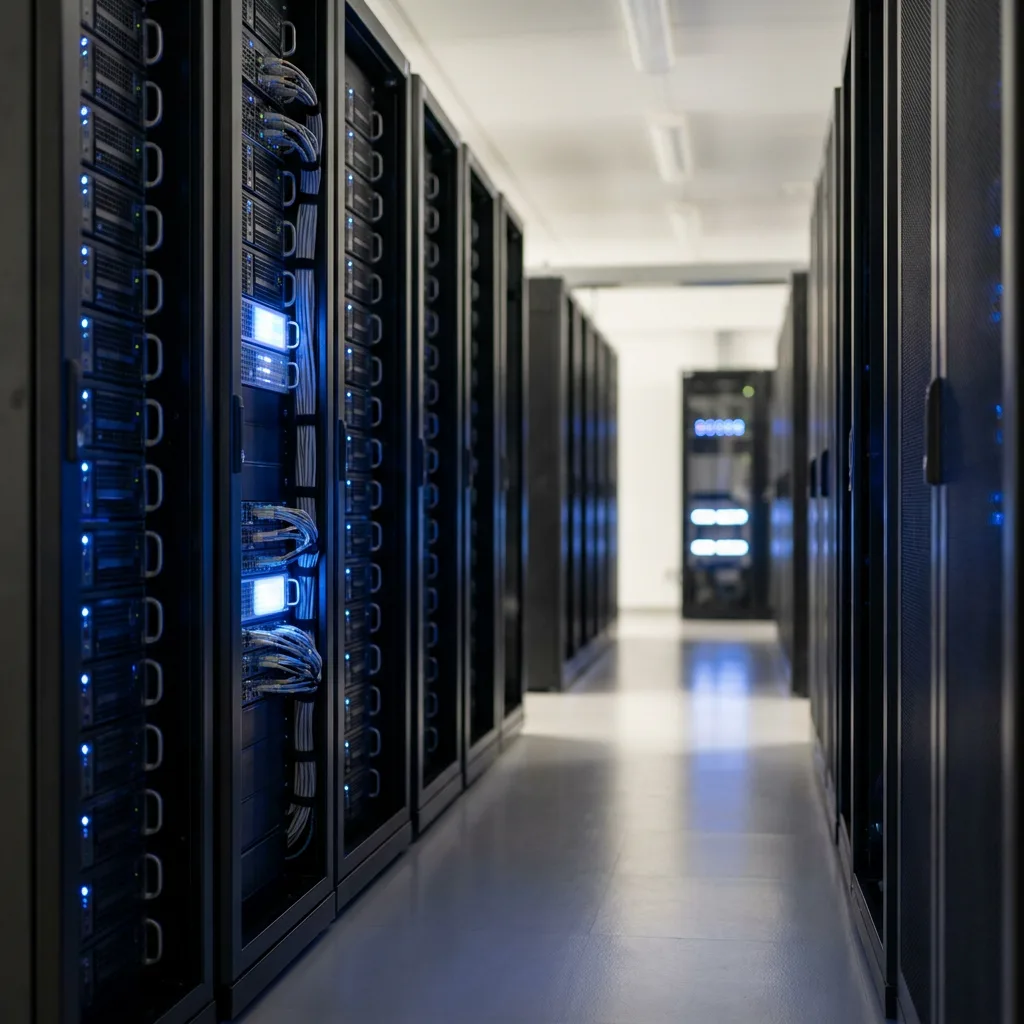
Clean server rack corridor with cool indicator lights
Server environments tend to be evaluated through uptime, orchestration, region choice, and repeatability.
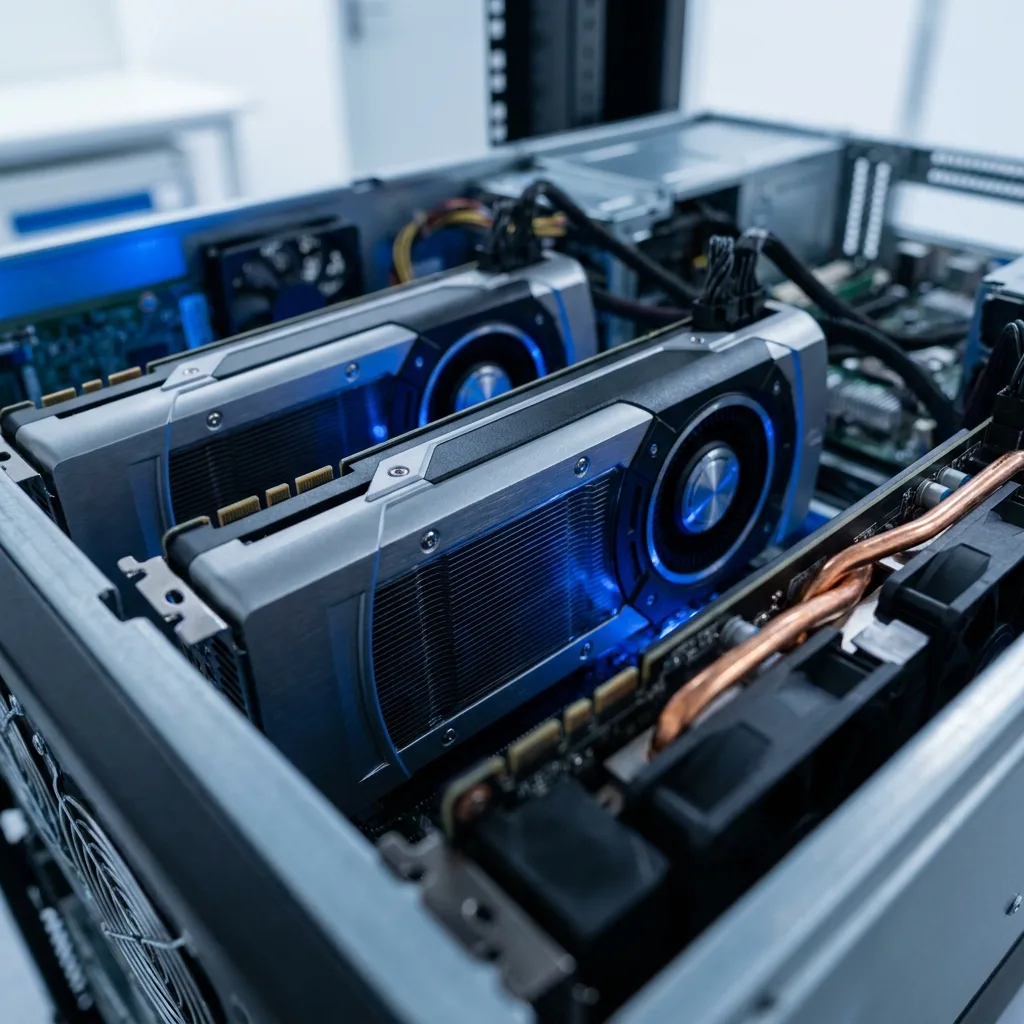
GPU accelerator cards inside a modern compute server
Accelerators matter, but utilization and scheduling often decide whether the design is affordable.
C / Request

Want a platform-specific breakdown?

Send the AI product category or deployment scenario you are trying to understand. We can separate public facts from reasonable infrastructure assumptions.

Request research