Production center

Linux distributions for clusters and inference servers

Linux dominates many AI training and inference stacks because accelerator vendors, container ecosystems, automation tools, and cluster operators support it deeply.

  • Common in GPU and accelerator server fleets.
  • Works naturally with containers, SSH automation, schedulers, and observability agents.
  • Choice of distribution usually follows vendor support, security policy, and operations preference.
Development edge

Windows and macOS still matter

Many AI tools are prototyped, tested, or used locally on developer and consumer machines before they touch a production server environment.

  • Windows appears in workstation workflows, desktop AI tools, and some enterprise environments.
  • macOS is common for development, demos, and local experimentation.
  • Both often hand off production deployment to Linux-based servers or managed cloud services.
Device layer

Embedded and edge operating systems

Robotics, sensors, phones, cameras, and offline devices change the operating system question. Power limits, driver availability, update paths, and reliability become first-order constraints.

  • Embedded Linux is common, but real-time systems and mobile OS environments may appear.
  • On-device inference favors predictable updates and hardware-specific runtimes.
A / Runtime

The OS is often hidden behind another layer.

Containers, orchestration, serverless platforms, model-serving frameworks, and managed APIs can make the underlying operating system less visible to users. Operators still care because drivers, security patches, file systems, networking, and automation live underneath.

Research

Flexibility matters. Teams may test on workstations, notebooks, cloud instances, or small clusters before standardizing the runtime.

Production

Repeatability matters. Container images, base OS updates, accelerator drivers, orchestration policy, and monitoring become part of the release process.

Consumer deployment

Packaging matters. Desktop apps, browser features, mobile inference, and local AI tools depend on the user’s operating system and hardware permissions.

Edge deployment

Reliability matters. Devices may need offline inference, signed updates, low power use, and support for sensors or specialized chips.
B / Selection

Why one environment wins over another.

The practical choice is rarely aesthetic. Teams choose the environment that best fits driver support, automation, security posture, hardware access, and the people who have to maintain it at 02:00.

Security and patching

Production AI systems need predictable updates for the base OS, containers, runtime libraries, and network-facing services.

Hardware compatibility

Accelerator drivers, kernel versions, firmware, and vendor toolchains can narrow the realistic operating system choices.

Automation

Provisioning, monitoring, rollback, secrets, and logs are easier when the OS matches the team’s existing operations model.

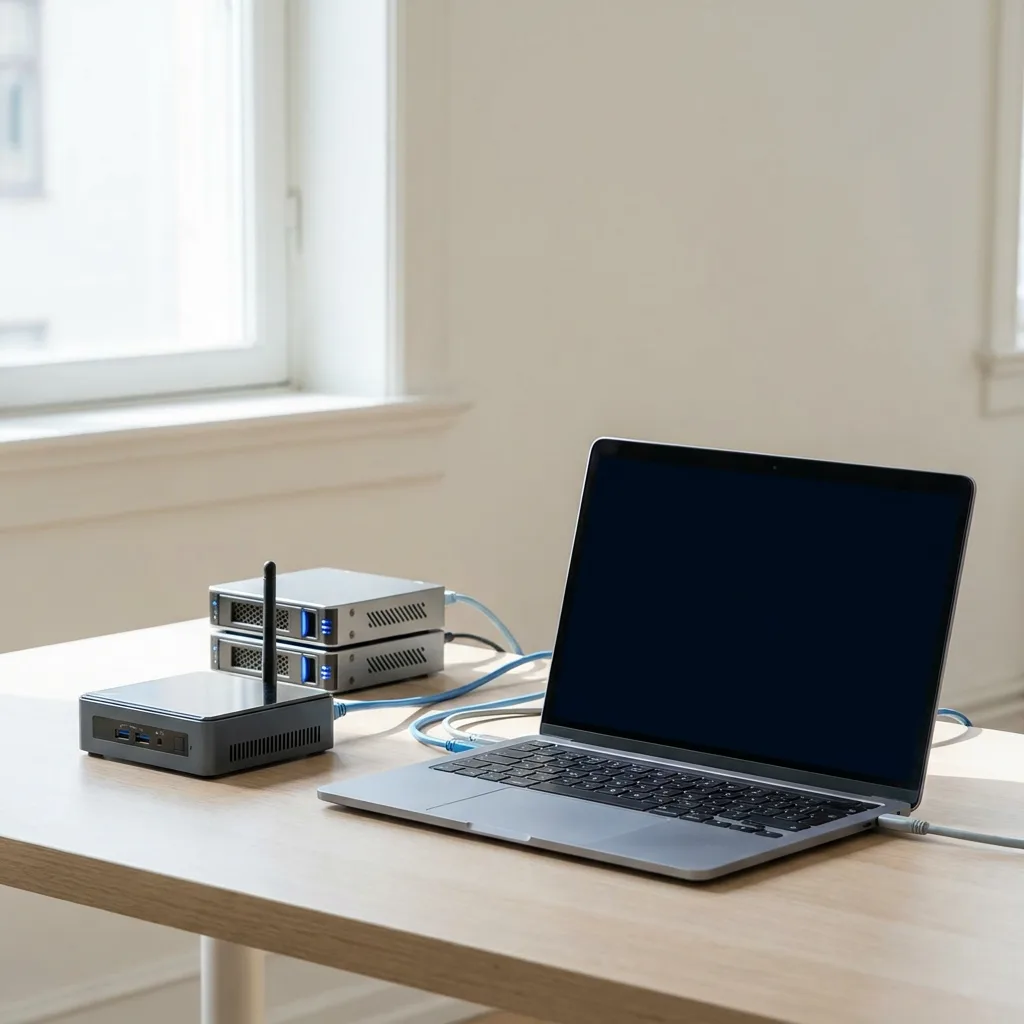
Developer laptop connected to compact edge and server hardware
Development environments often sit beside small devices and local test hardware before production architecture is fixed.
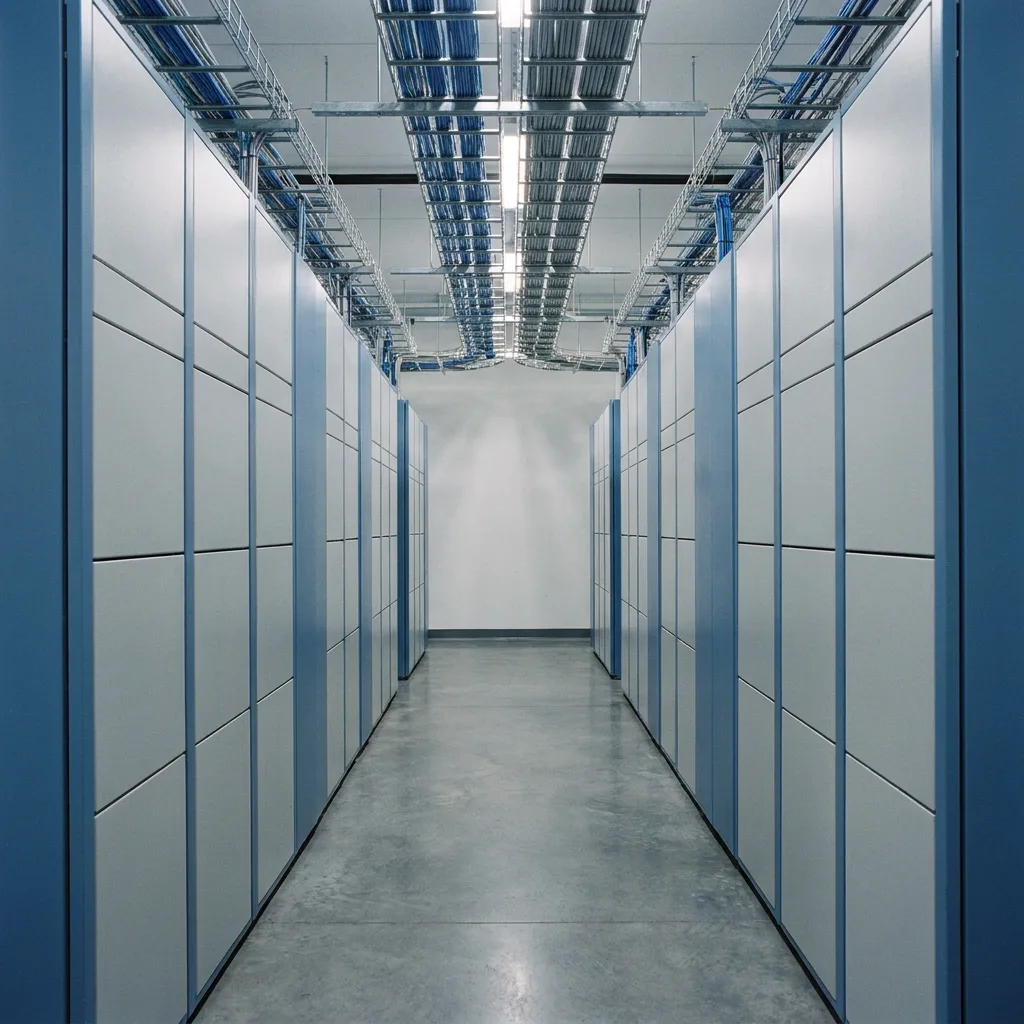
Quiet data center aisle with blank server faces
In production, OS choice is tied to maintenance, deployment discipline, and hardware support windows.